Sixteen years ago, while we lived in Thailand, we could have had a garden almost year round, but we didn’t. There were so many pests to fight against, the worst which were inch-long fire ants, that our garden consisted of:
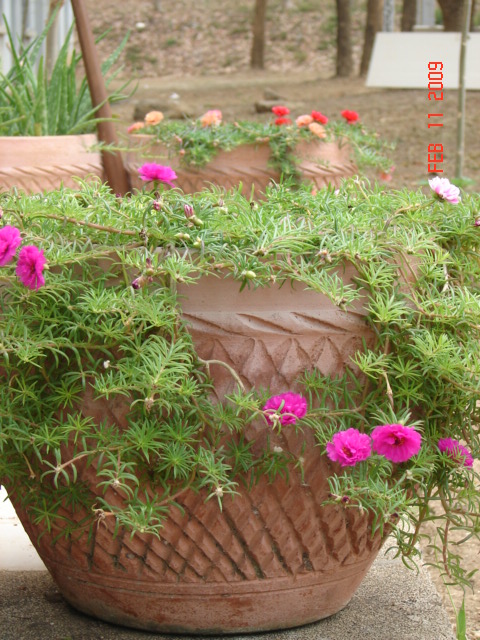
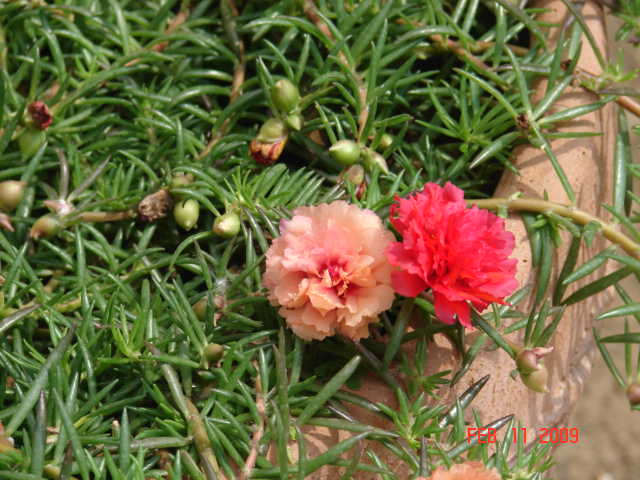
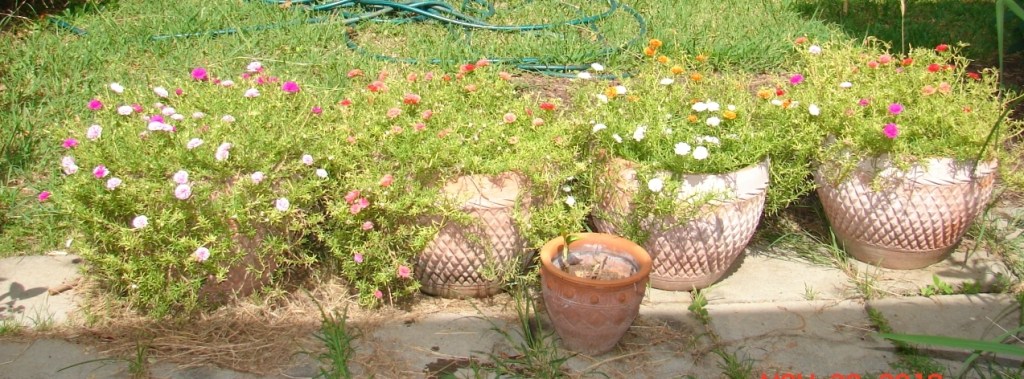
six or so colors of portulaca (moss rose) in pots,
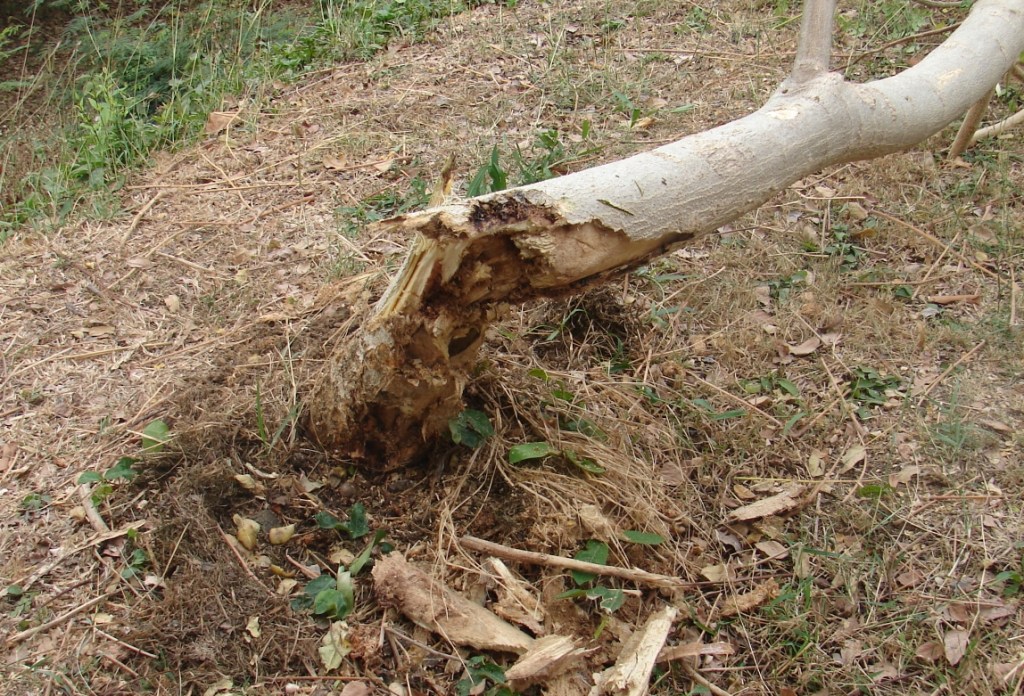
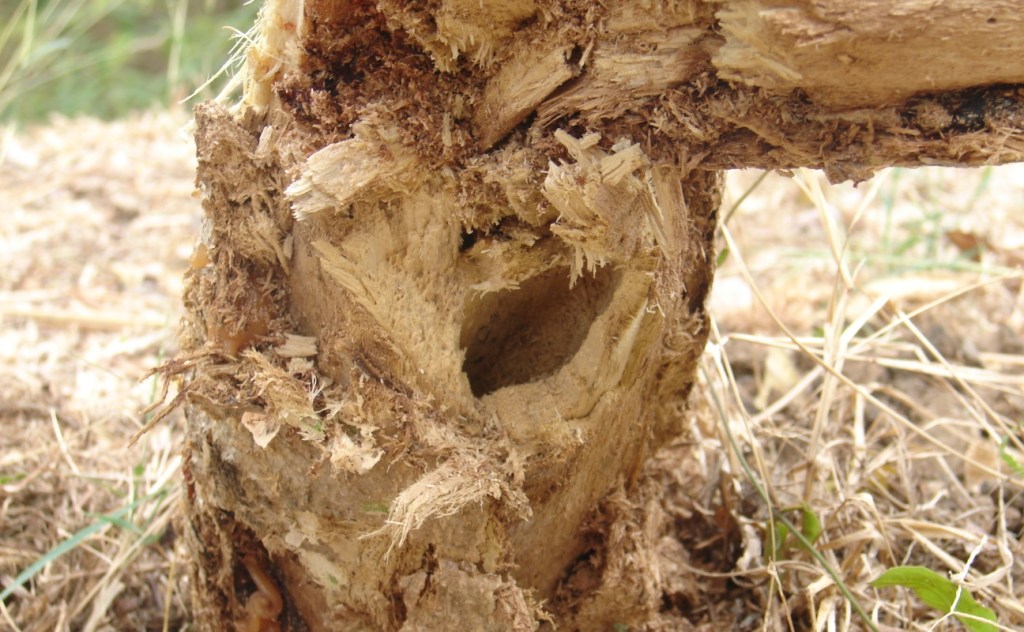
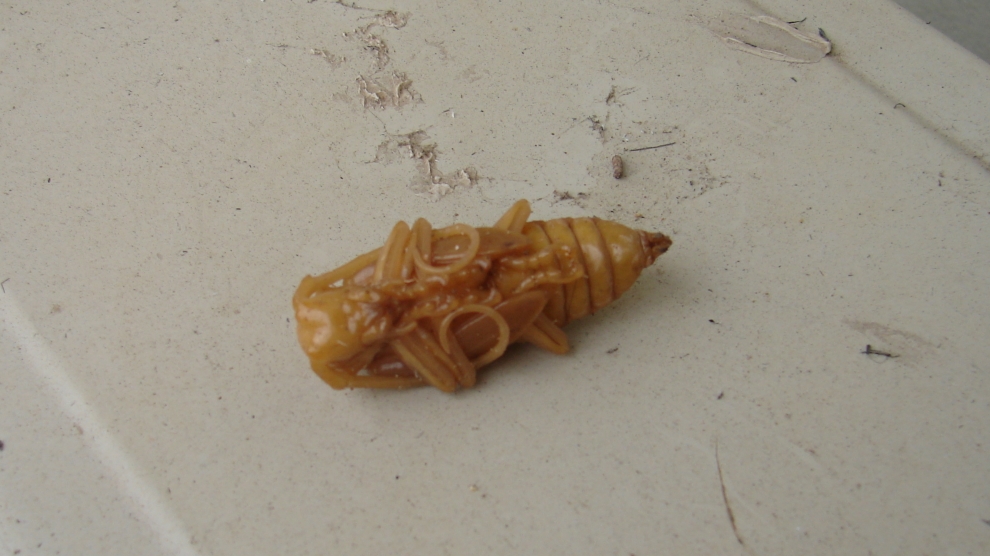
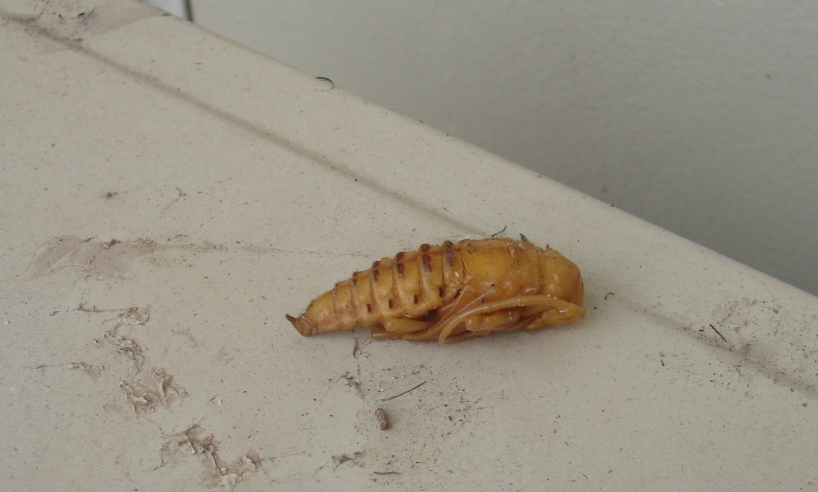
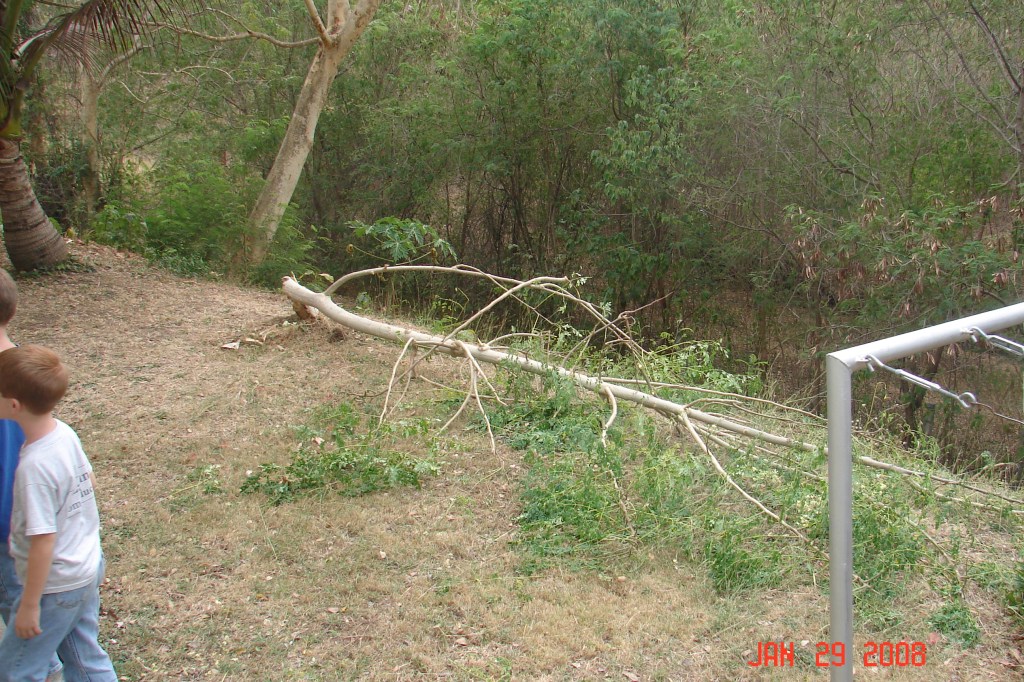
a moringa tree that a huge insect larvae “cut down” but thankfully grew back from the stump,
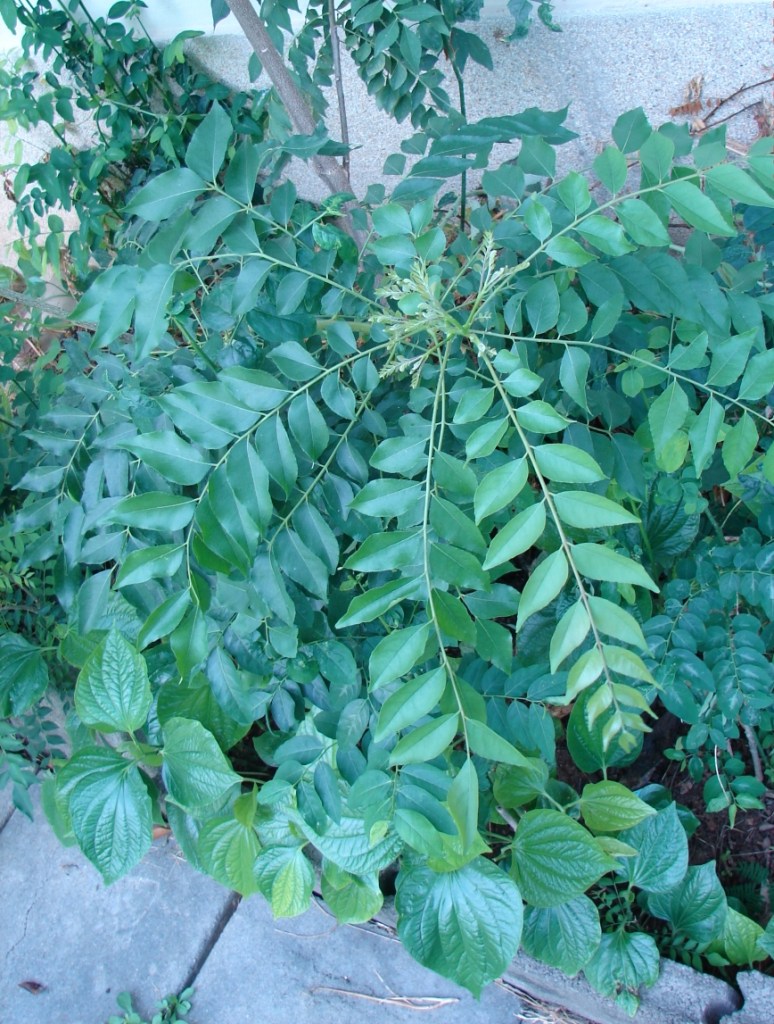
a curry leaf bush (the leaves made my attempts at recreating Indian food taste incredible),
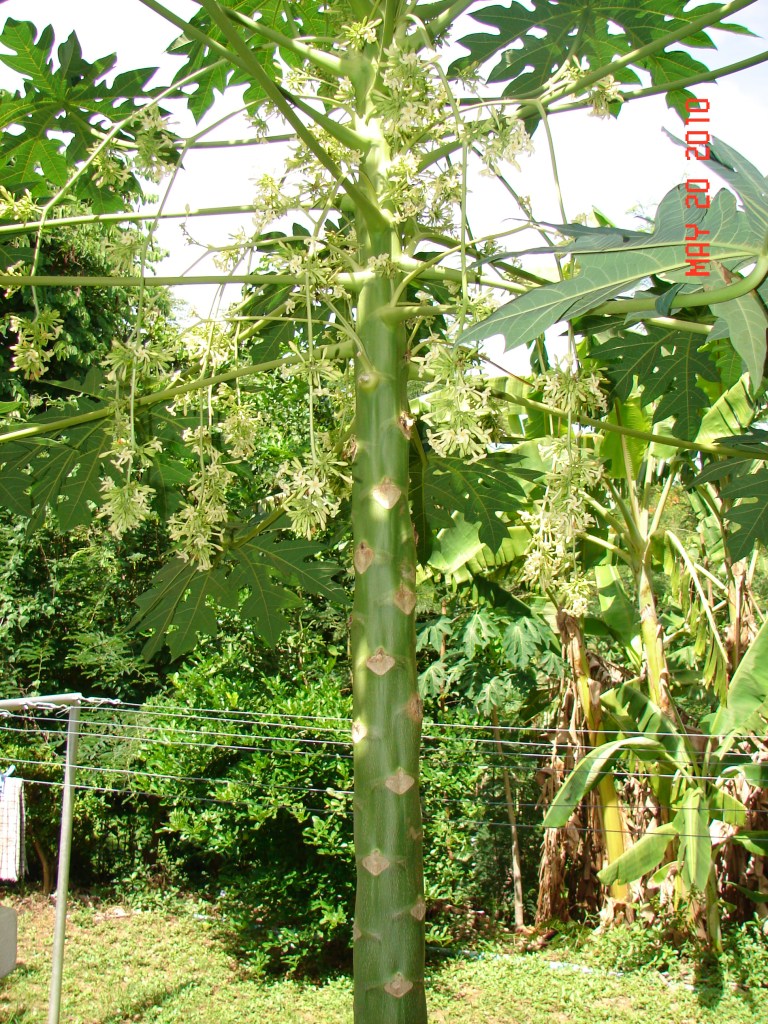
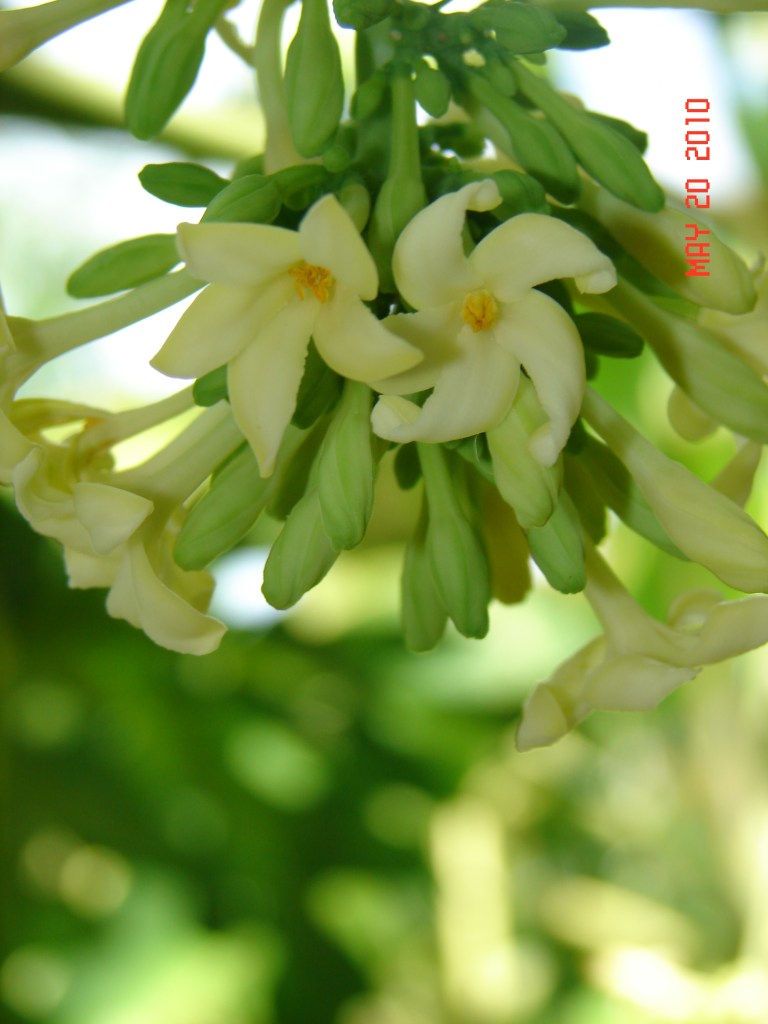
and a male papaya tree with gorgeous sprays of flowers, but no fruit.
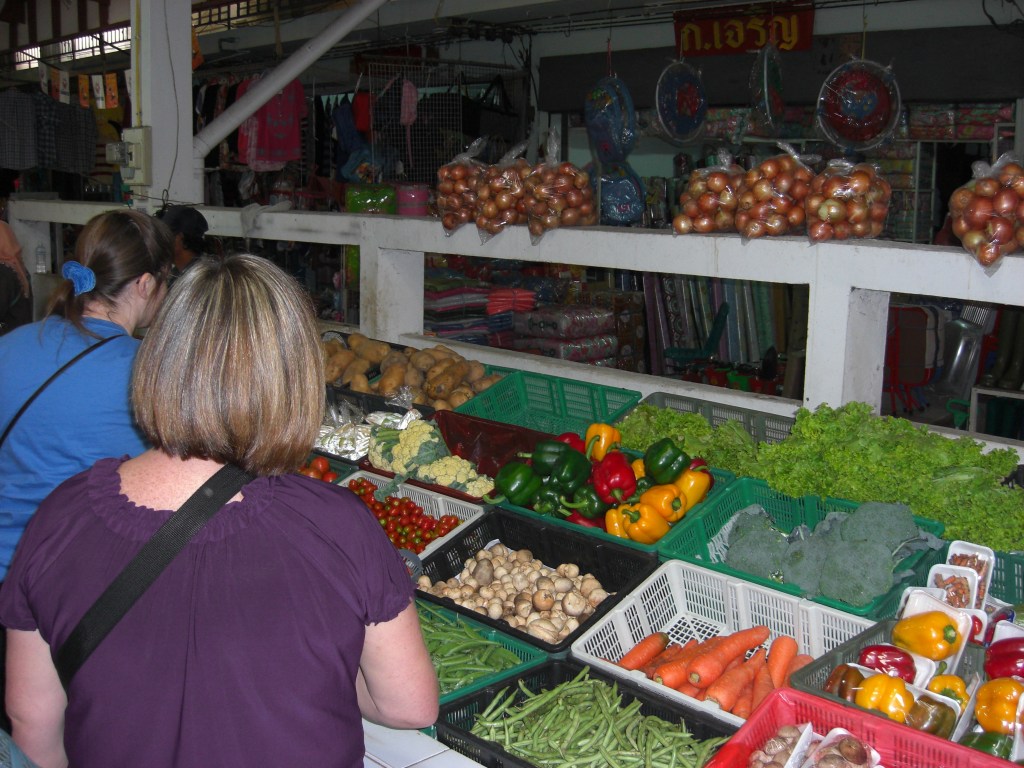
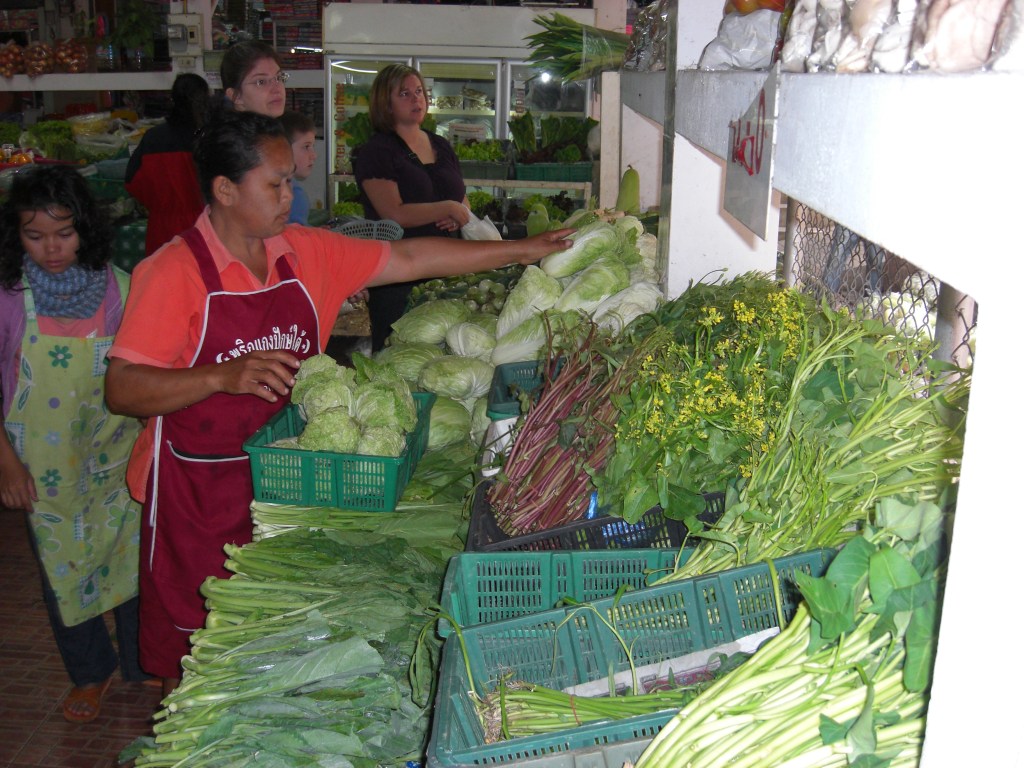
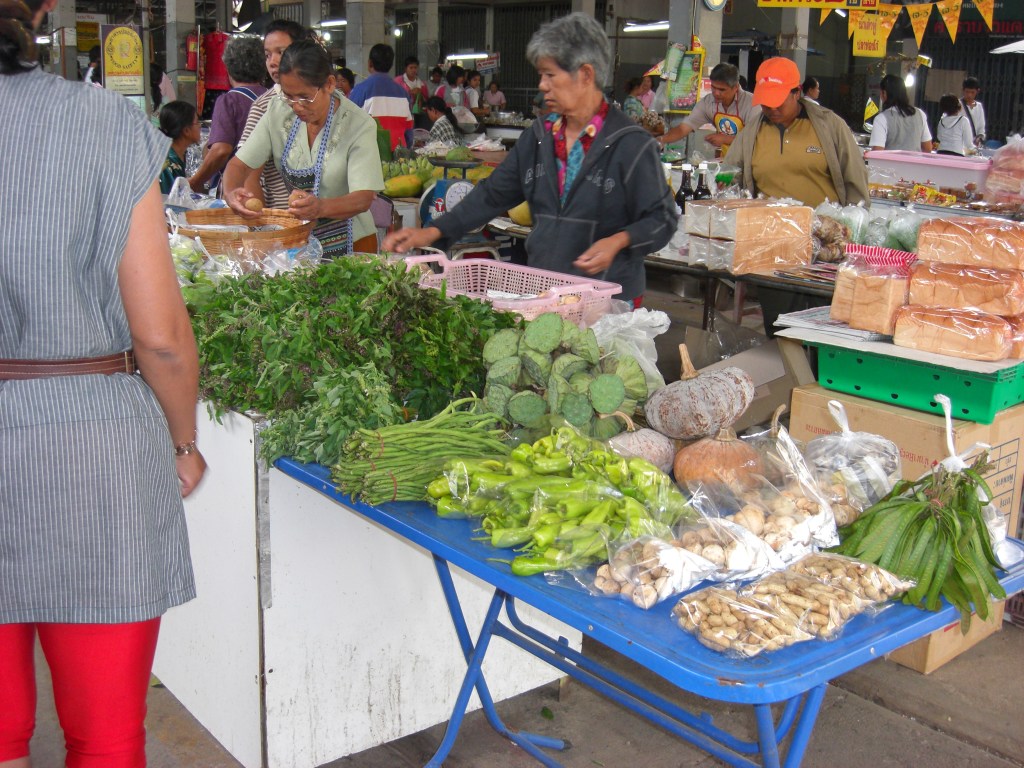
Thankfully, the outdoor markets were full of freshly picked fruits and veggies, and neighbors shared papayas like gardeners in the States share zucchini. We survived just fine without a real garden of our own.
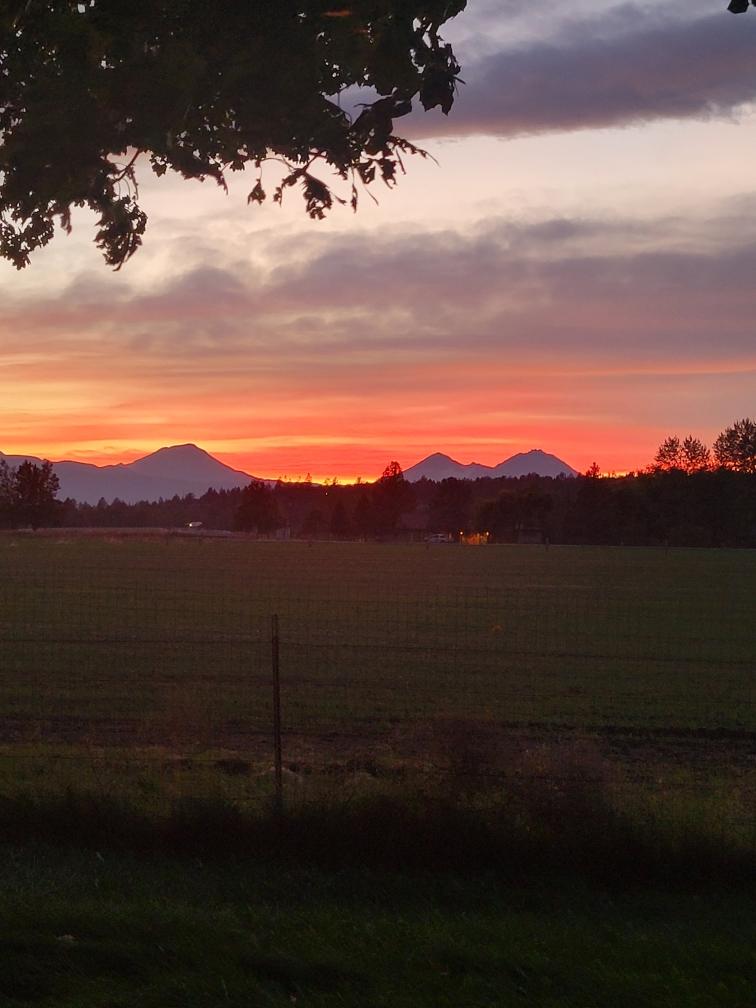
We’ve been back in the States for over 12 years now. Though I miss the pace of life in rural Thailand, our multi-cultural friends from the university, and the amazing fruits and veggies from the local open air markets, I like living where we have all four seasons, and I even enjoy the challenge of gardening here. Though too often we get a hard freeze before the maple in the back yard is fully golden, and we’ve been known to have freezes on the fourth of July, I don’t think I’d trade living in the high desert, especially with our view of the Oregon Cascades to the west, for even a year-round growing season.
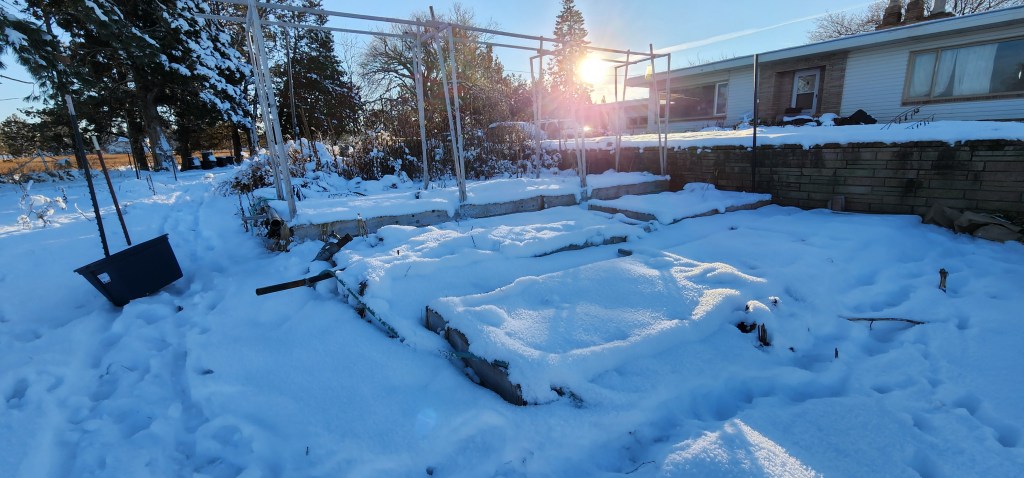
Gardening is such a compulsion for me that it’s good when nature freezes the ground and says, “Kari, it’s time to put the garden to bed…. You can get back to your projects in the spring!” I try to listen. I really do. But I’d miss the green of live plants (we don’t exactly do houseplants), and so my garden moves indoors.
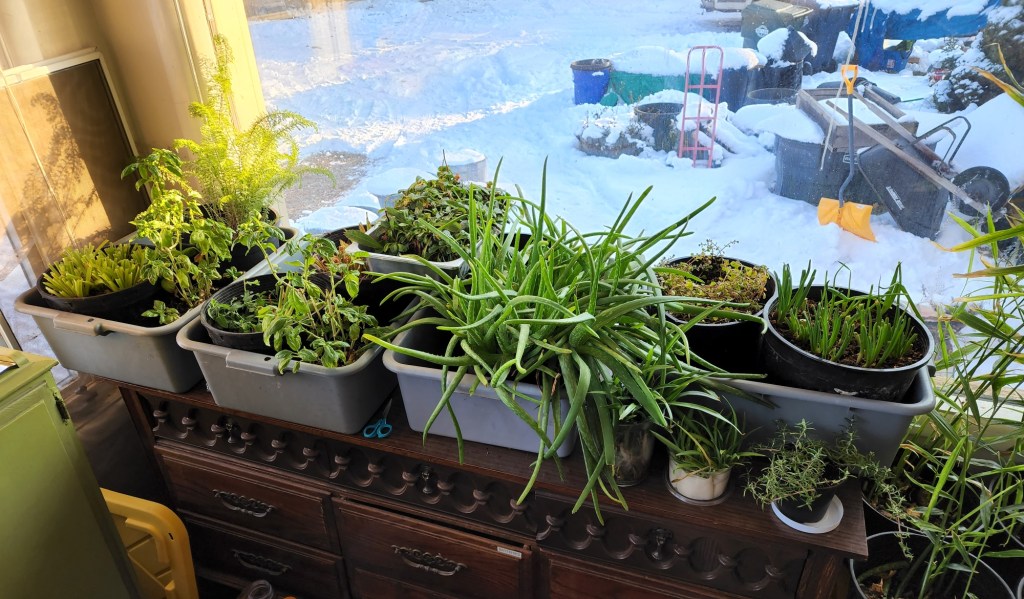
The snow in the photo has melted. We were then blessed with wonderful, much-needed rain. It was dry for a while, then snowed again. Now the weather seems to be warming up…. With Central Oregon weather, though, we’ll likely get snow again before spring comes to stay. Since I MUST grow things if there’s any possible way, the south-facing window in the kitchen was taken over months ago as this year’s winter garden….
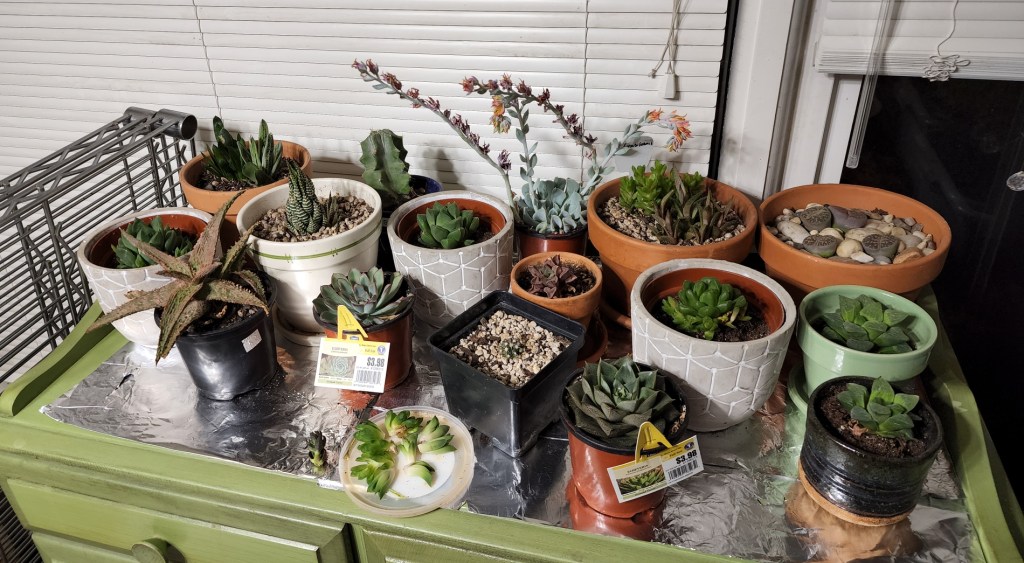
Let’s see. We’ve got my husband’s indoor cactus and succulent garden.
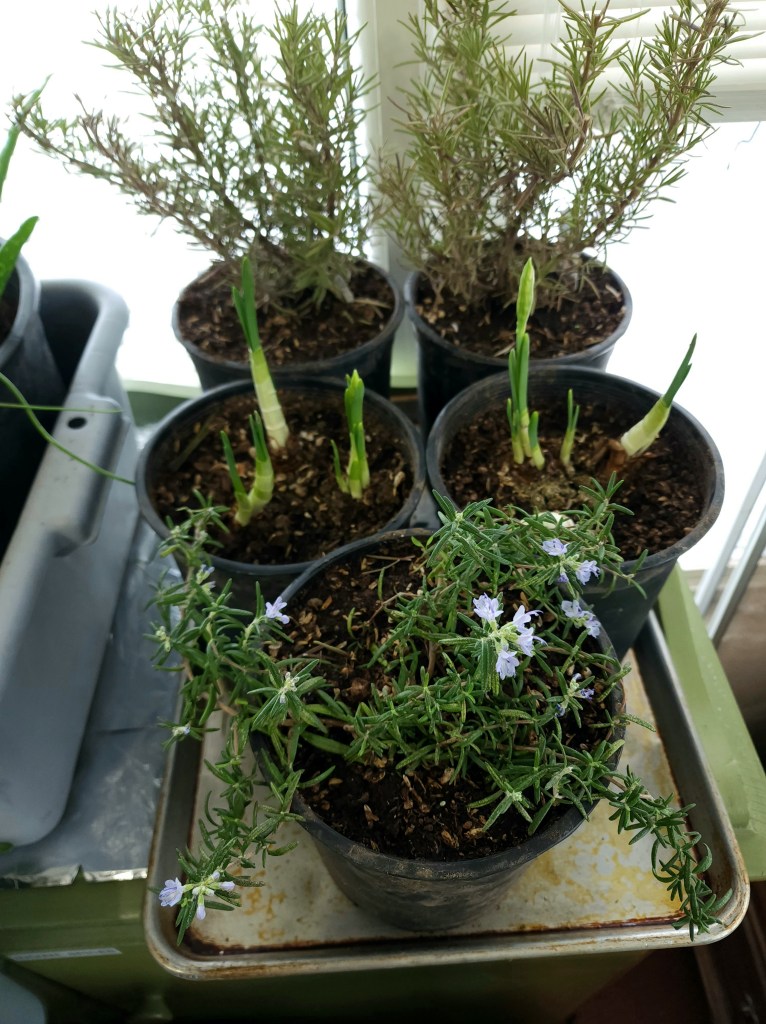
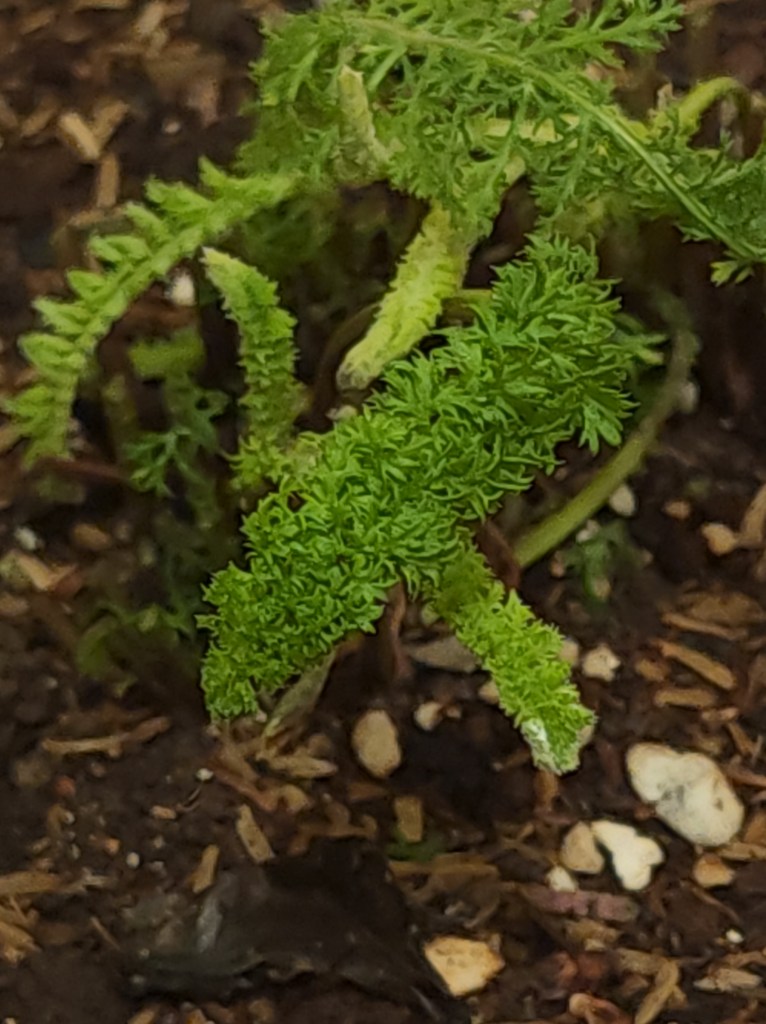
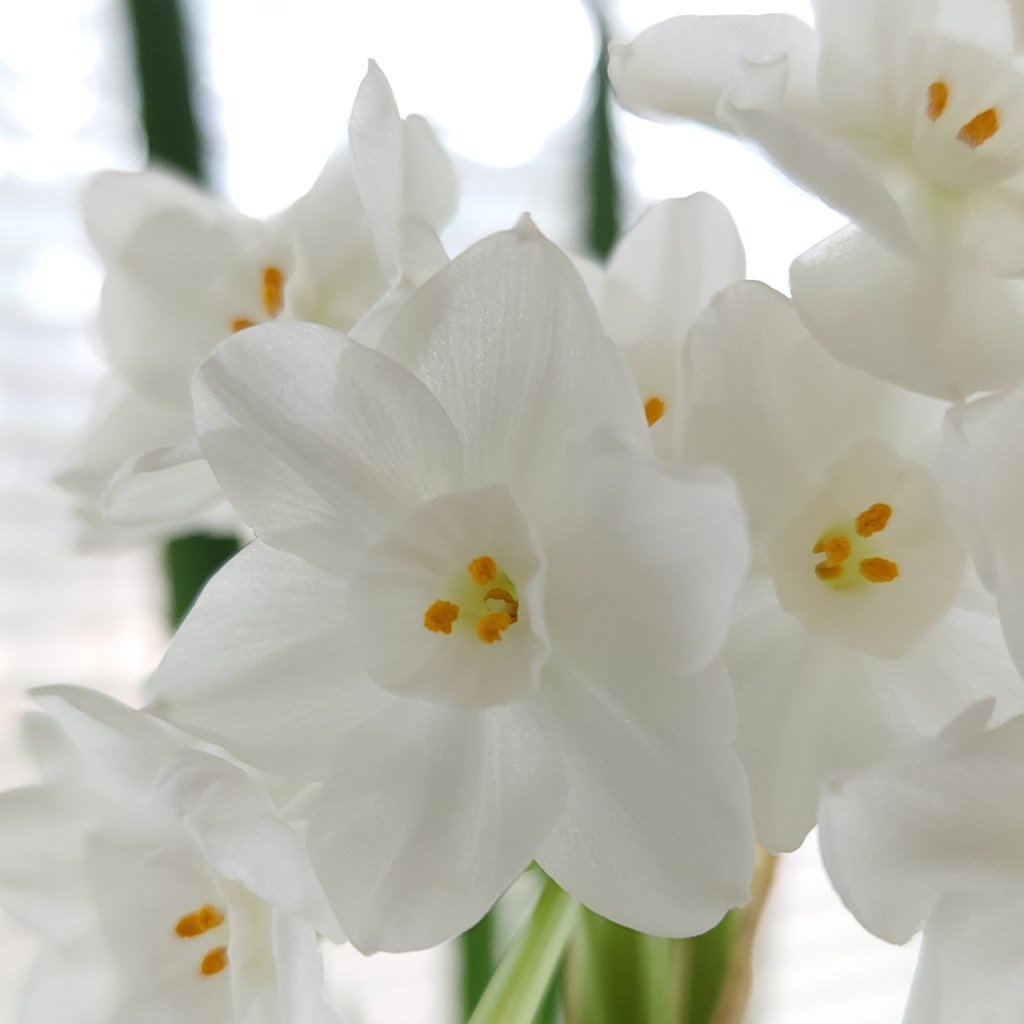
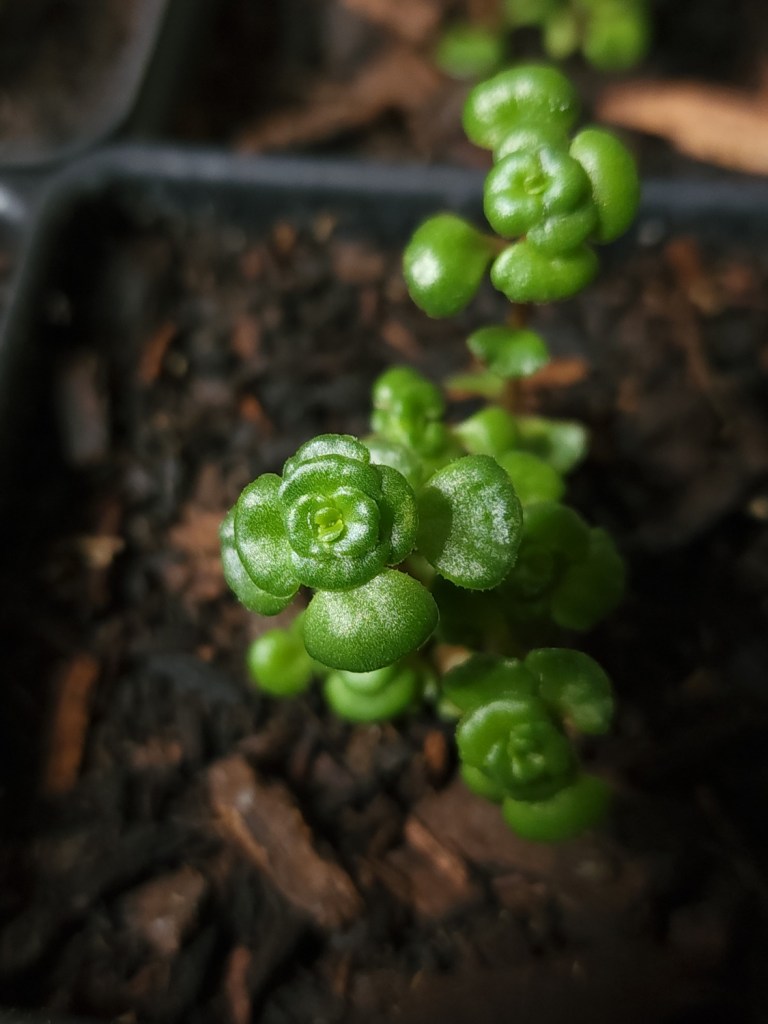
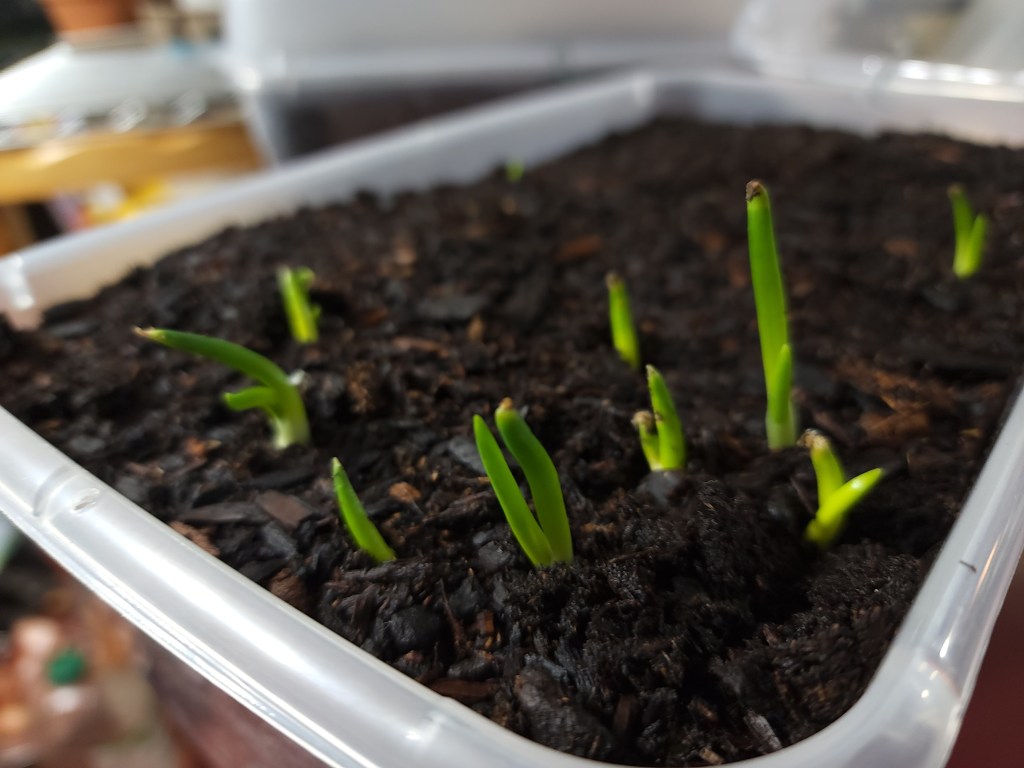
And in my part of the kitchen garden there have been aloe, rosemary, basil, pink-flowered yarrow that never made it outside last summer, paperwhites, spider plants, ginger, lemon grass, cat mint propagated from clumps growing at the college where I teach, pink-flowered sedum, Egyptian walking onion (EWO) bulbils that needed planting before they dried out and died, and the daylilies I bought from Norton Naturals in Canada.
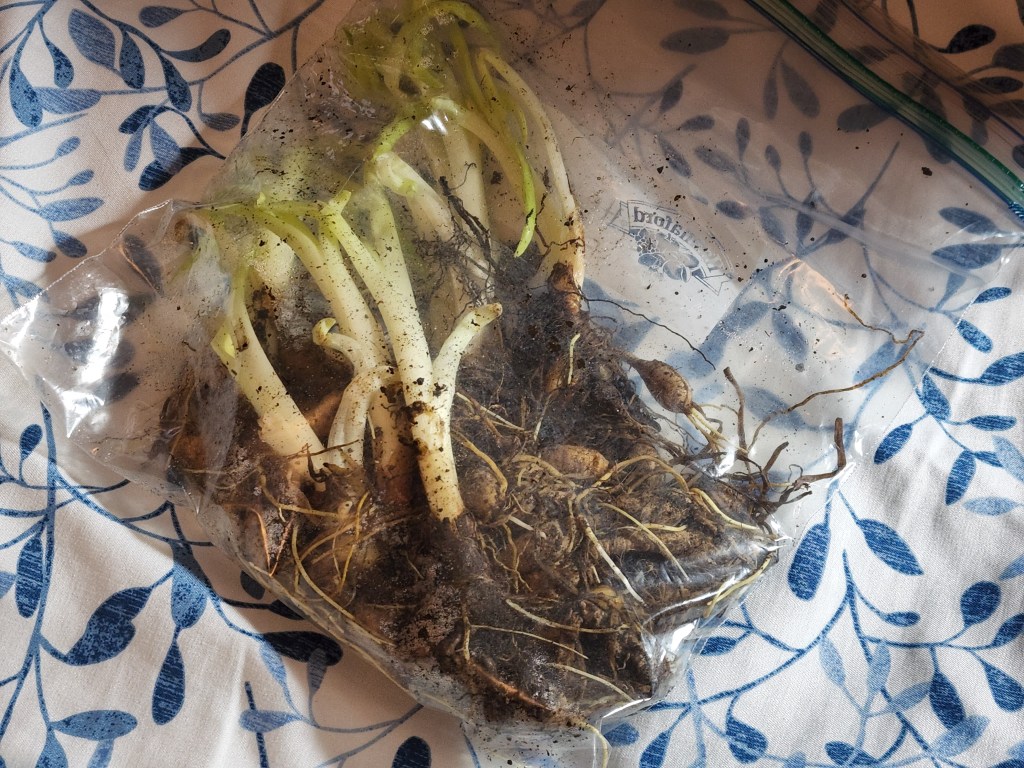
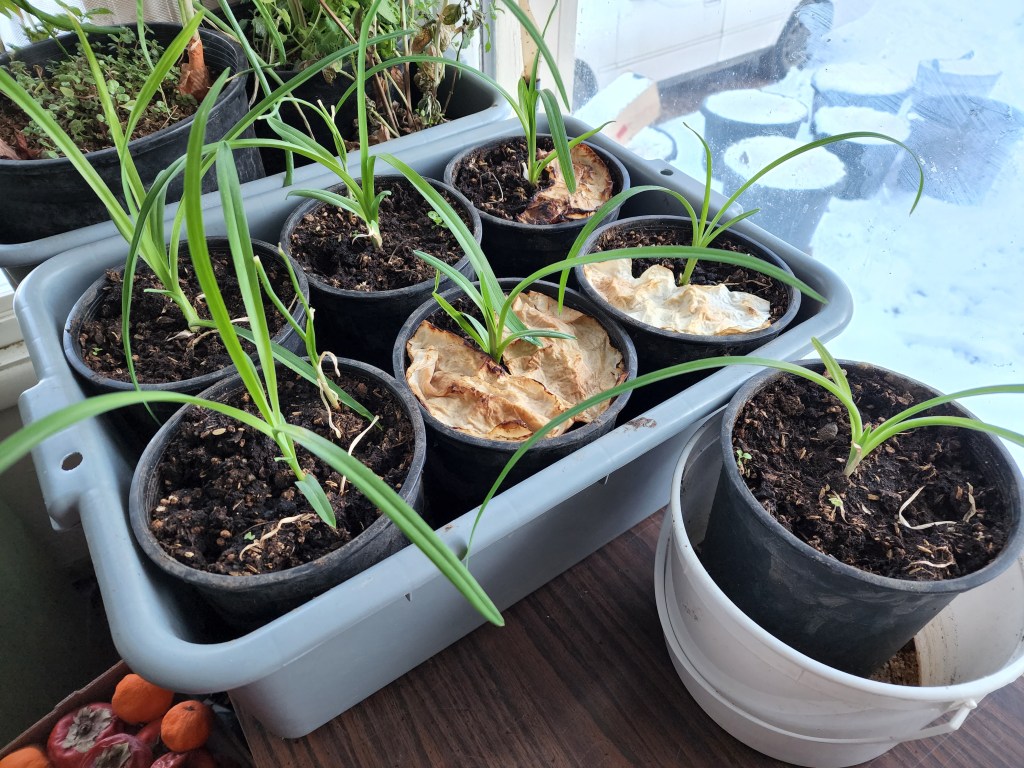
The daylilies got stuck in customs for nearly a month, and had sprouted enough by the time they arrived in December that I was nervous about planting them in pots and putting them outside while our temperatures were in the teens. The farmer I purchased them from said all the items he sent me really needed to spend the winter in damp soil, even if it got crazy cold. So eventually each of the seven lilies made it into a pot of its own. The other bulbs, tubers and corms from that order were dormant enough that I felt comfortable planting them in 3-inch pots and keeping them outside in a couple of closed huge black Costco tubs, even though it was really cold out at the time.
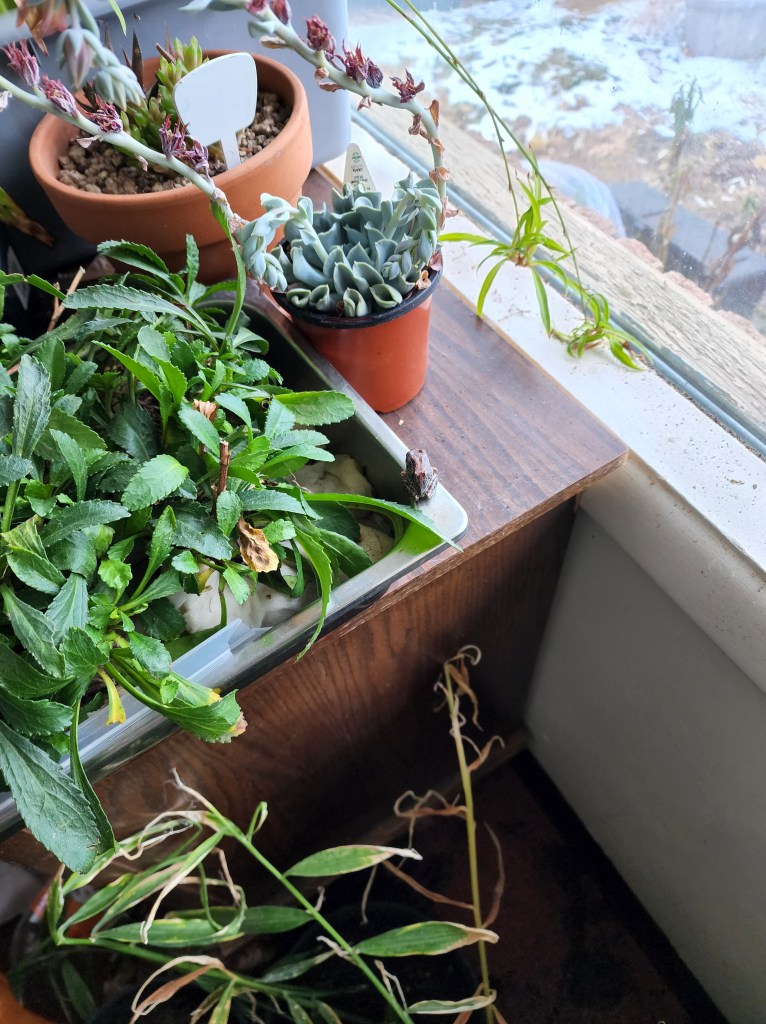
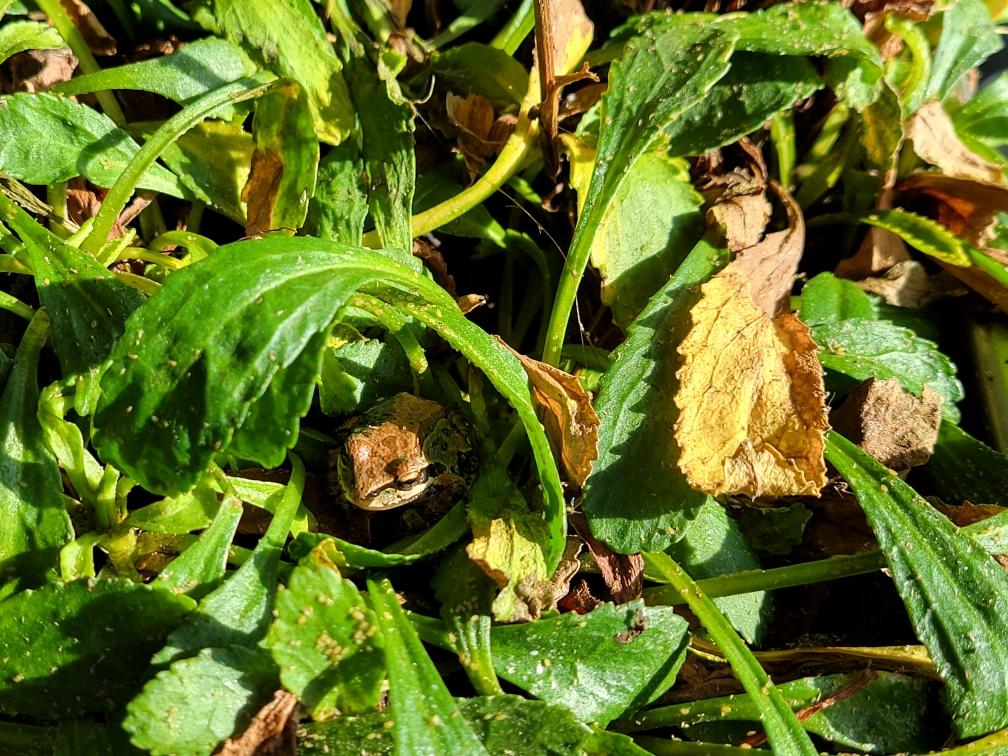
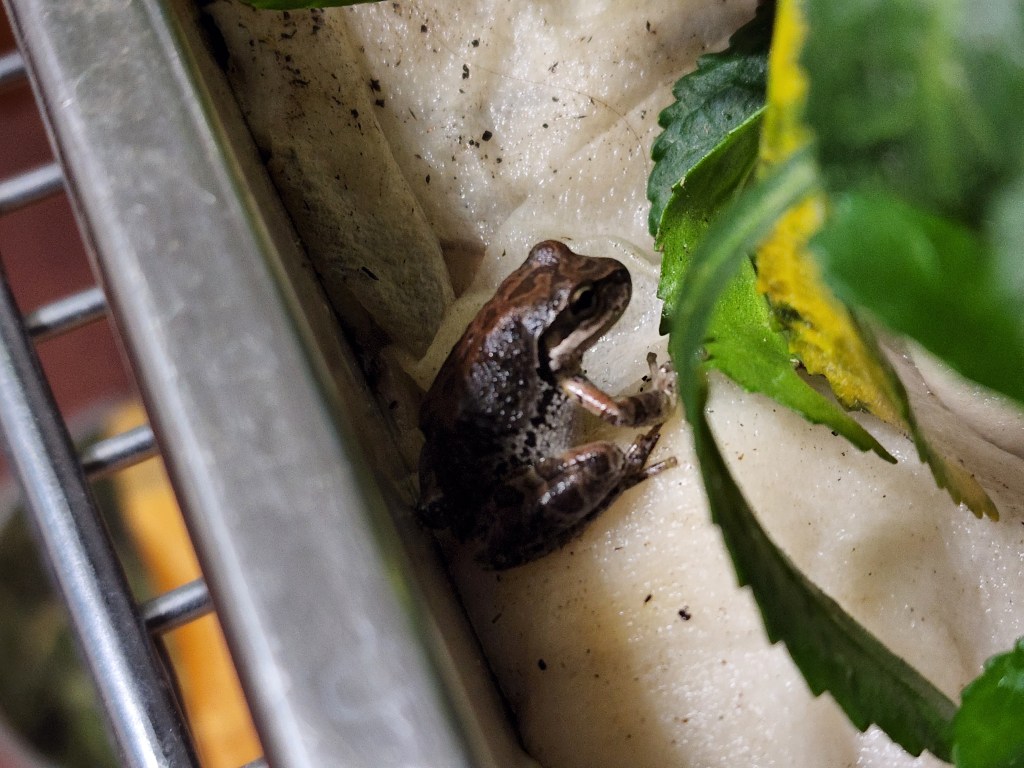
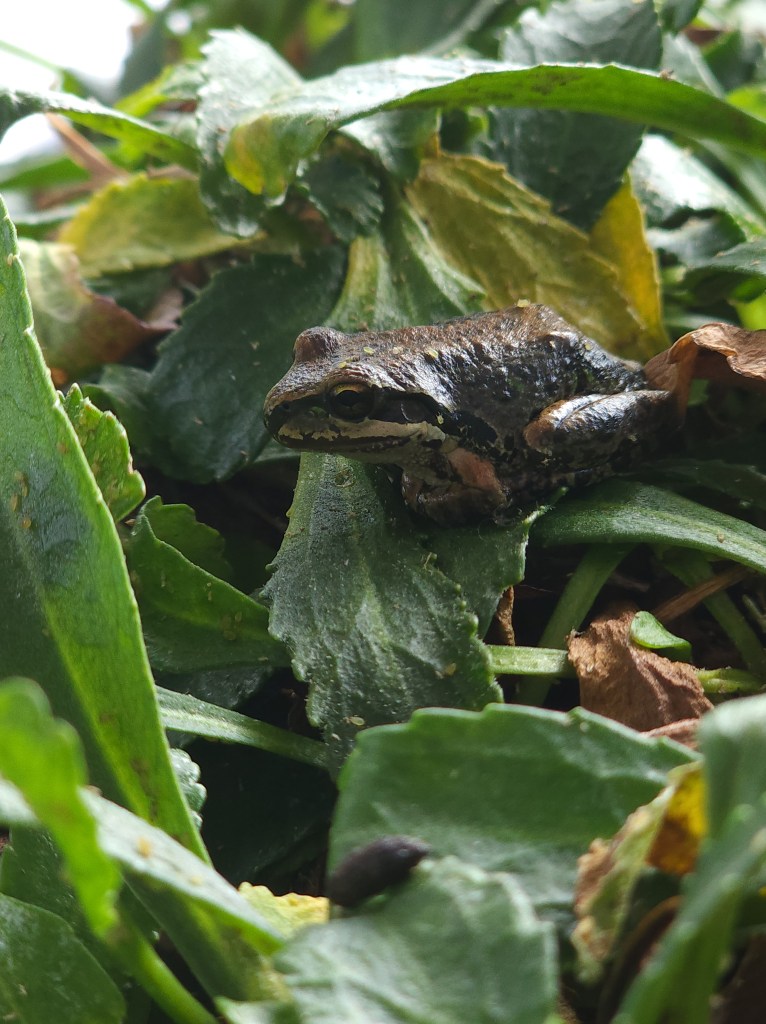
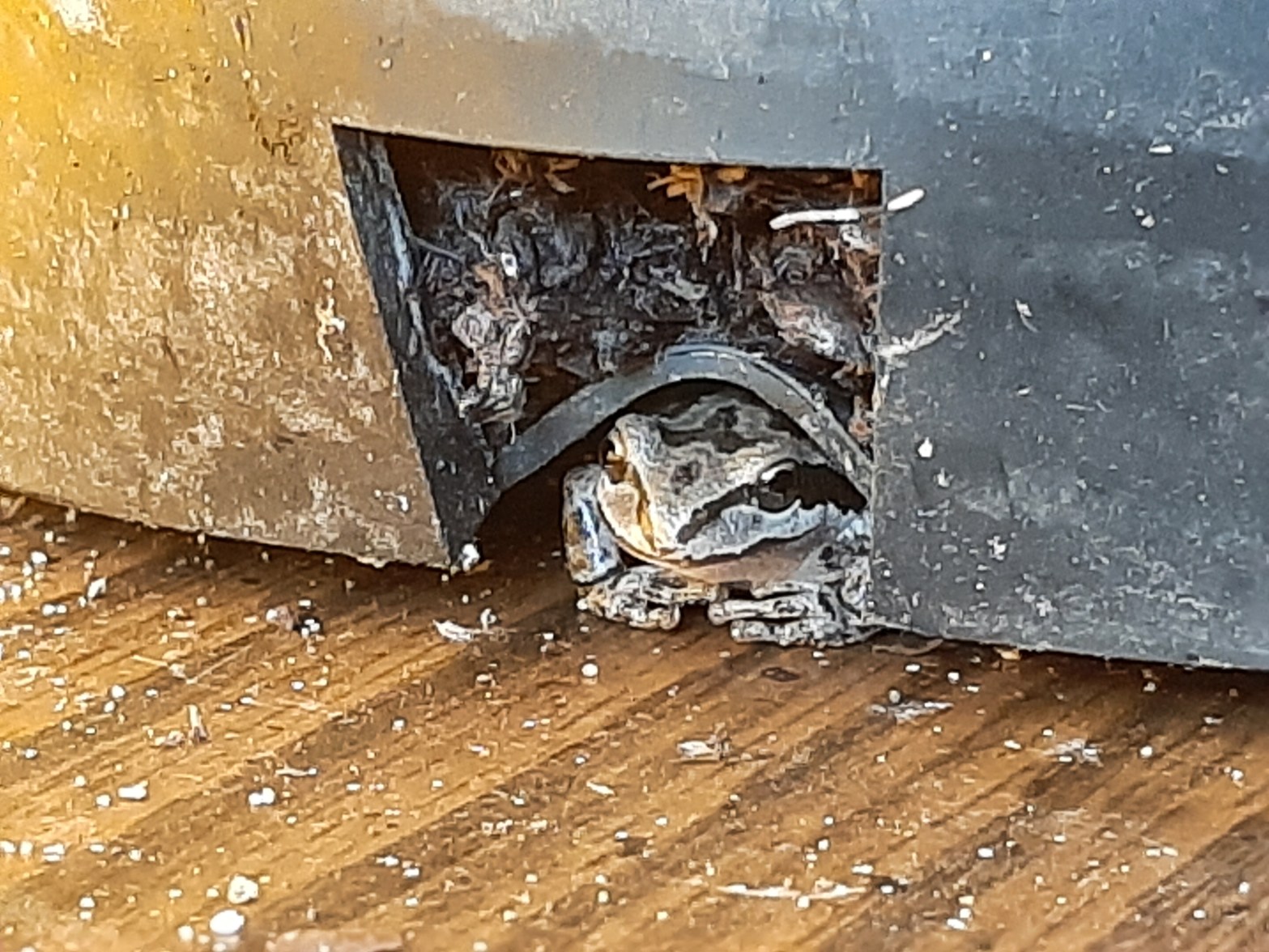
My portion of the winter garden even housed this winter’s housefrog, Panelope. I’m not sure where she is hiding now that the Shasta daisy divisions died off and got moved to the compost, but I keep thinking I hear her landing after a long jump….
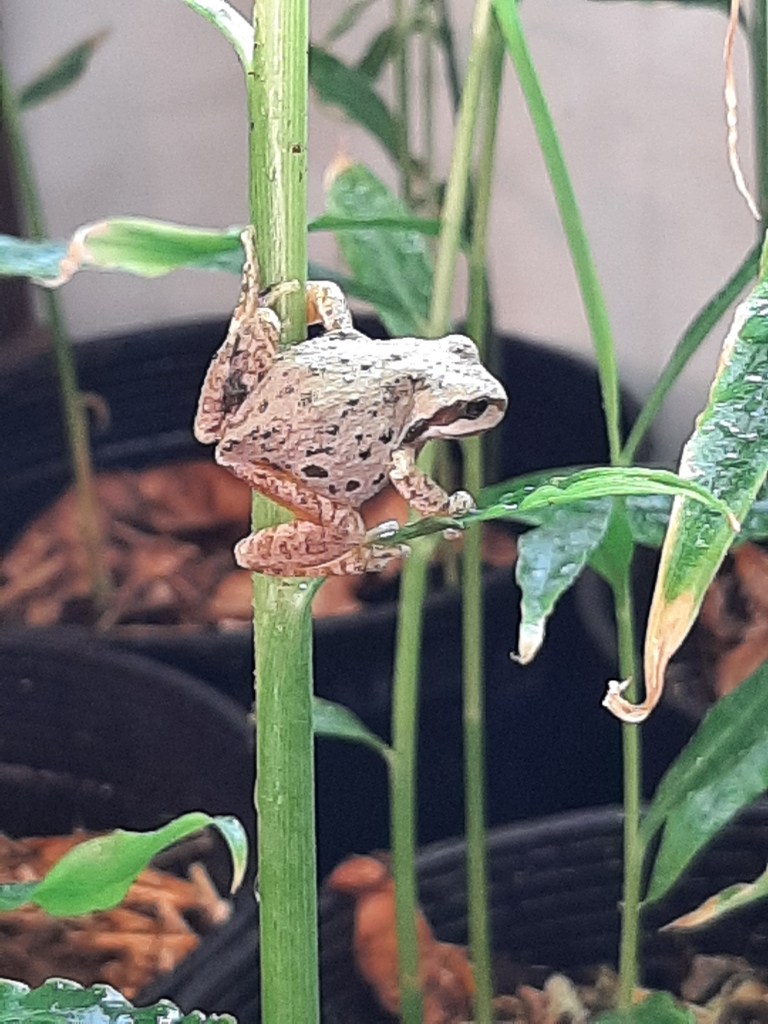
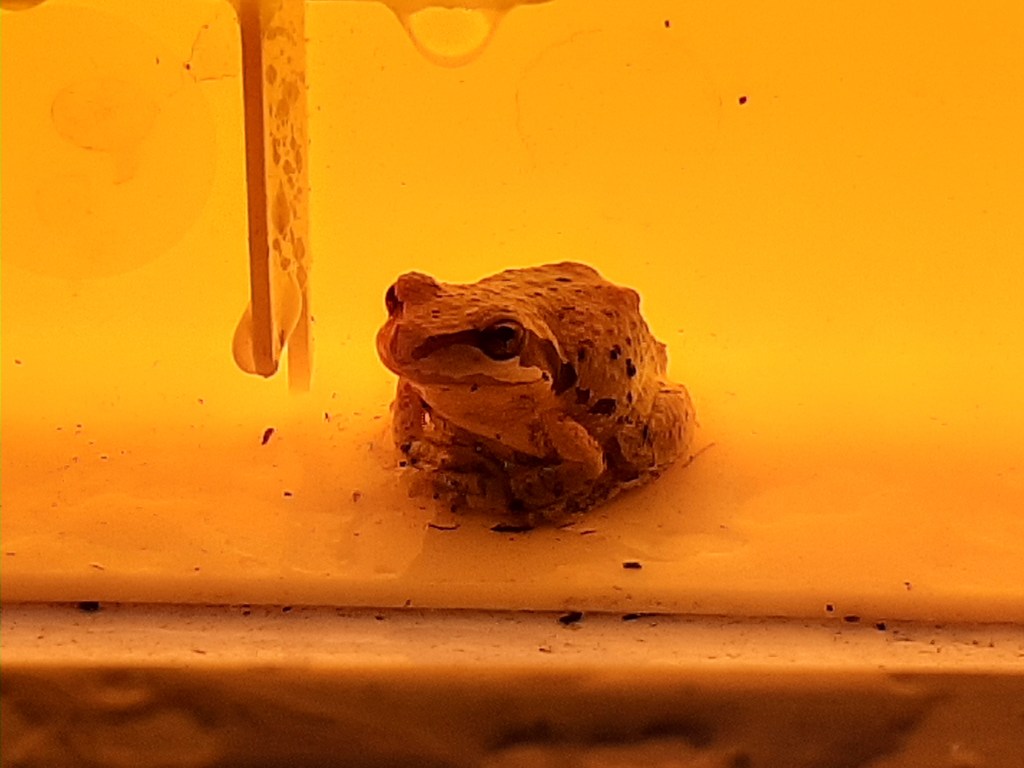
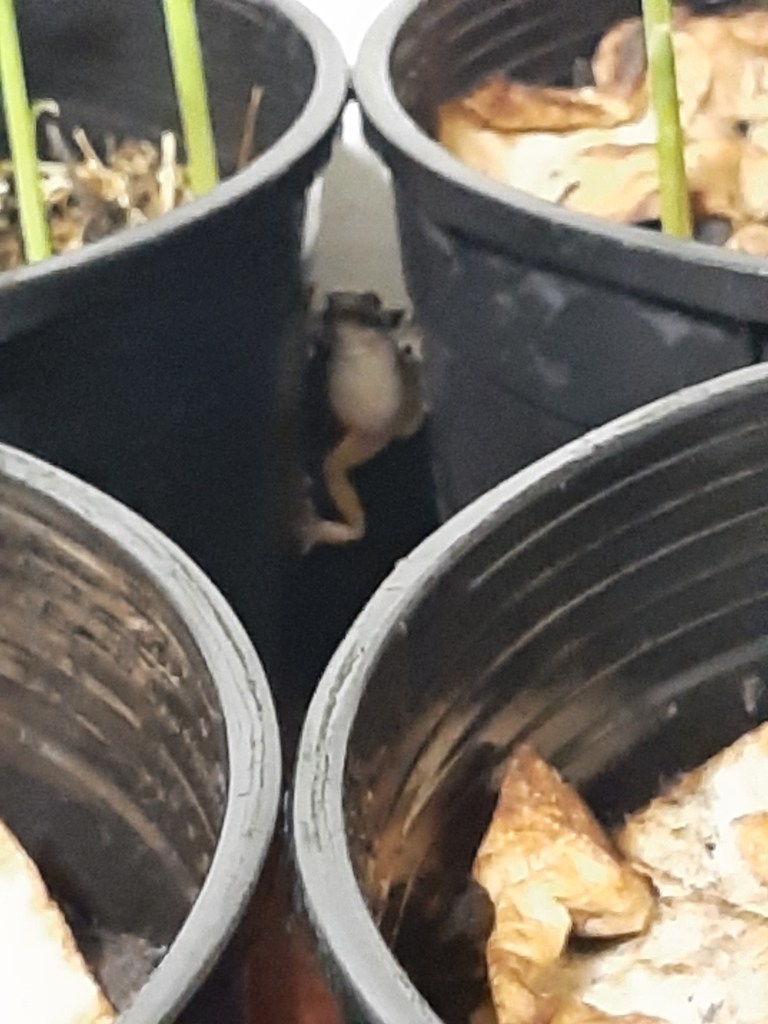
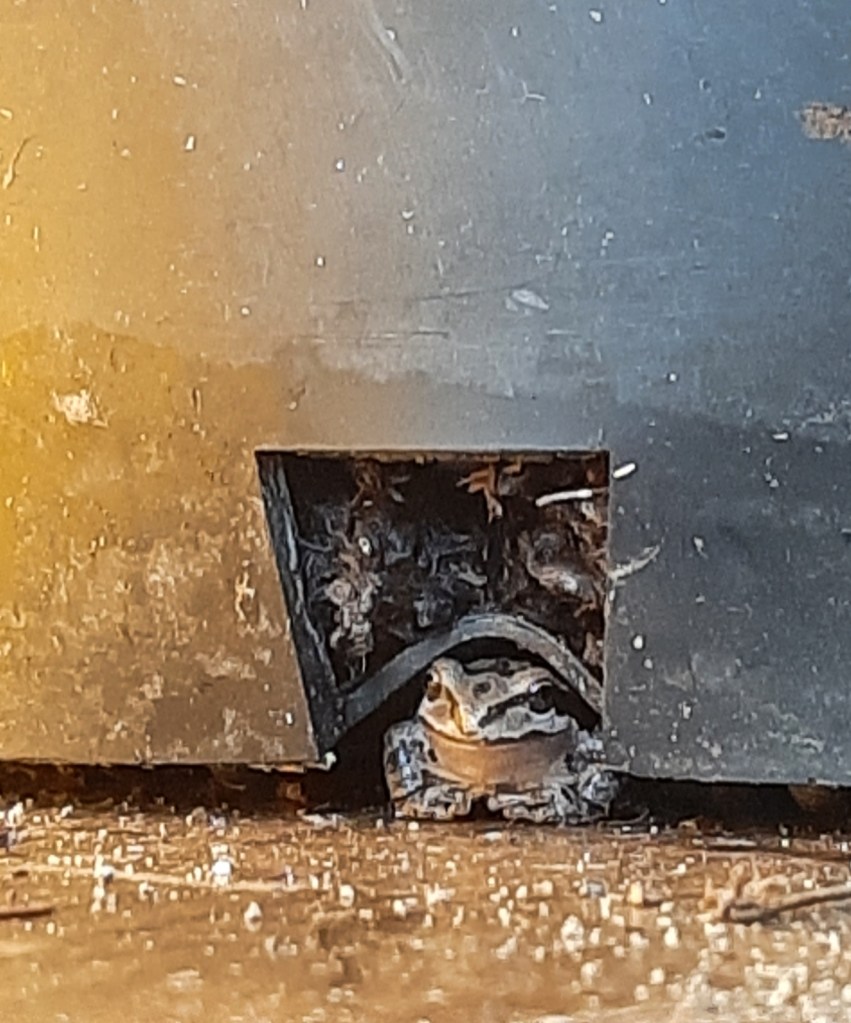
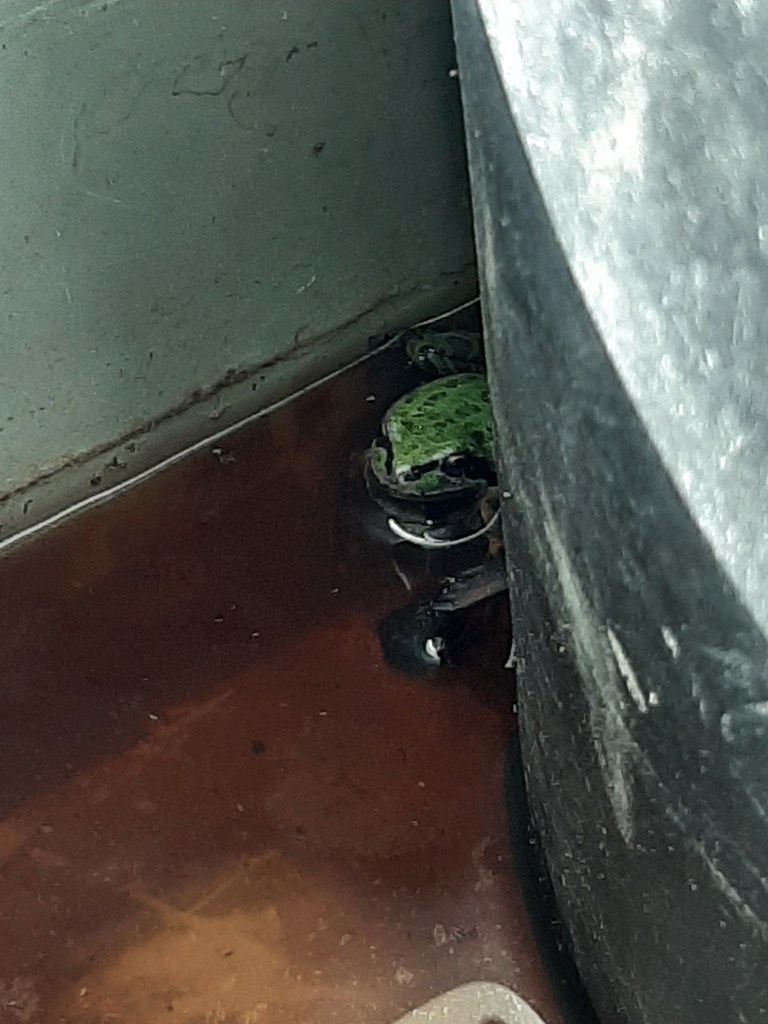
Last winter we had a plague of fungus gnats that took far too long to get under control, even with last winter’s housefrog, Marceline, working day and night on eating them up. Thankfully, I eventually discovered that beneficial nematodes and bt work really well at eliminating in-soil larvae, and we did get the plague to end, though not before they killed off most of the Egyptian walking onions and some of the perennial leeks I was experimenting keeping indoors.
To be proactive, this winter I mixed bt “crumbles” into the potting soil I used. The hope was that doing so would keep us from getting another plague of gnats. They haven’t been eliminated completely, but I’m hoping Panelope will keep them under control. If not, I’ll be buying another tub of beneficial nematodes and giving them a chance to do the job instead!
 Grandpa's Pasture Garden
You must be logged in to post a comment.